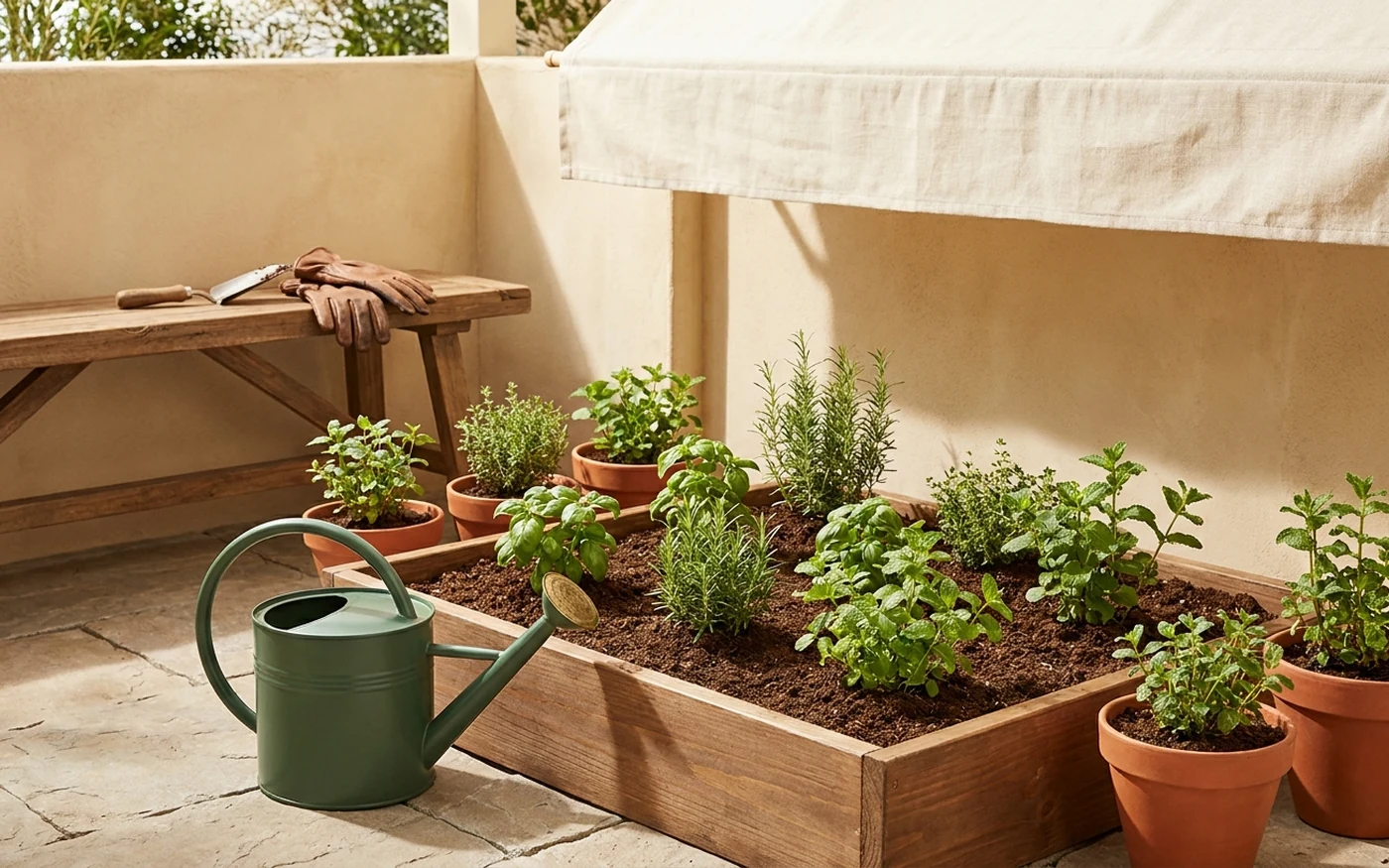
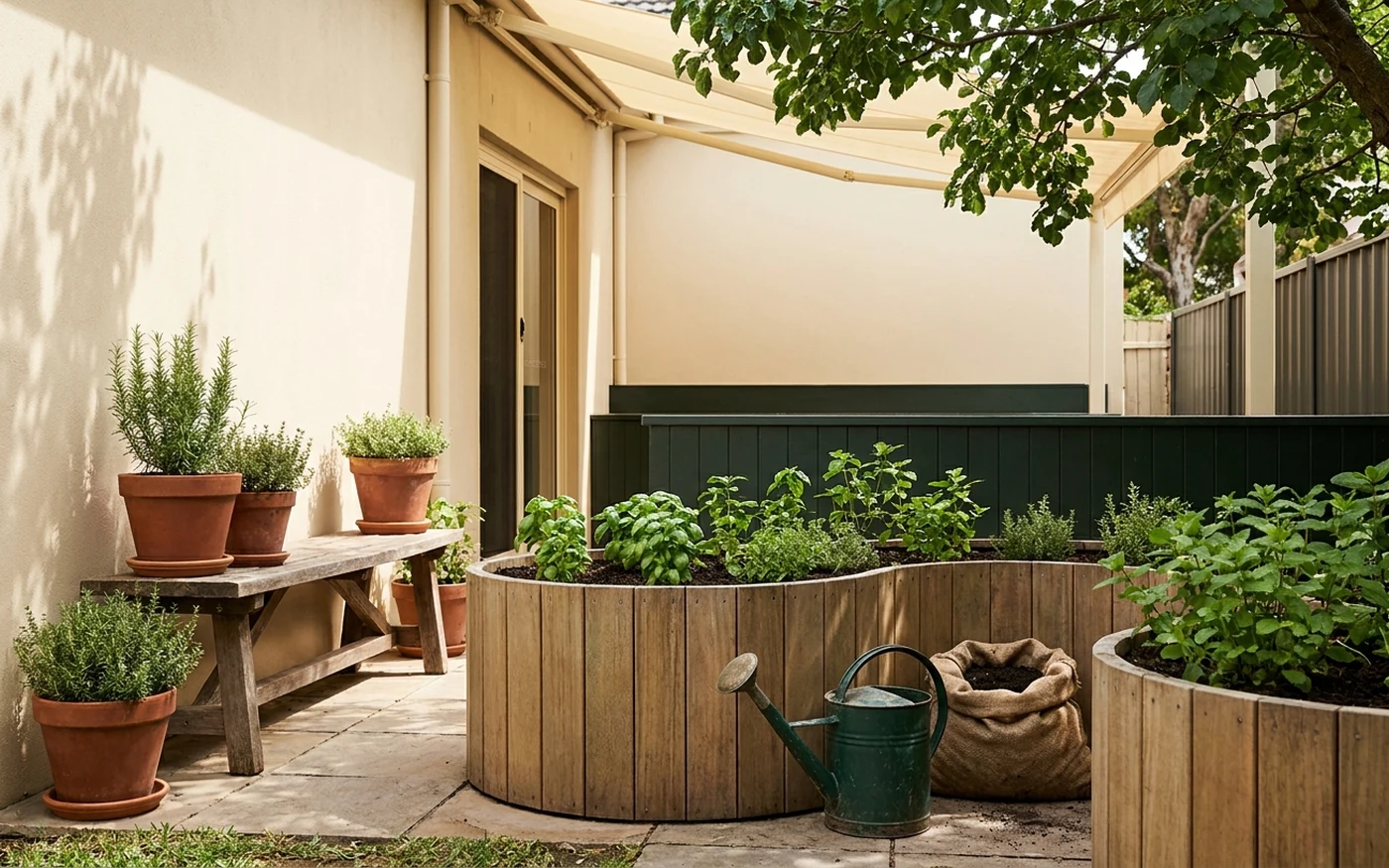
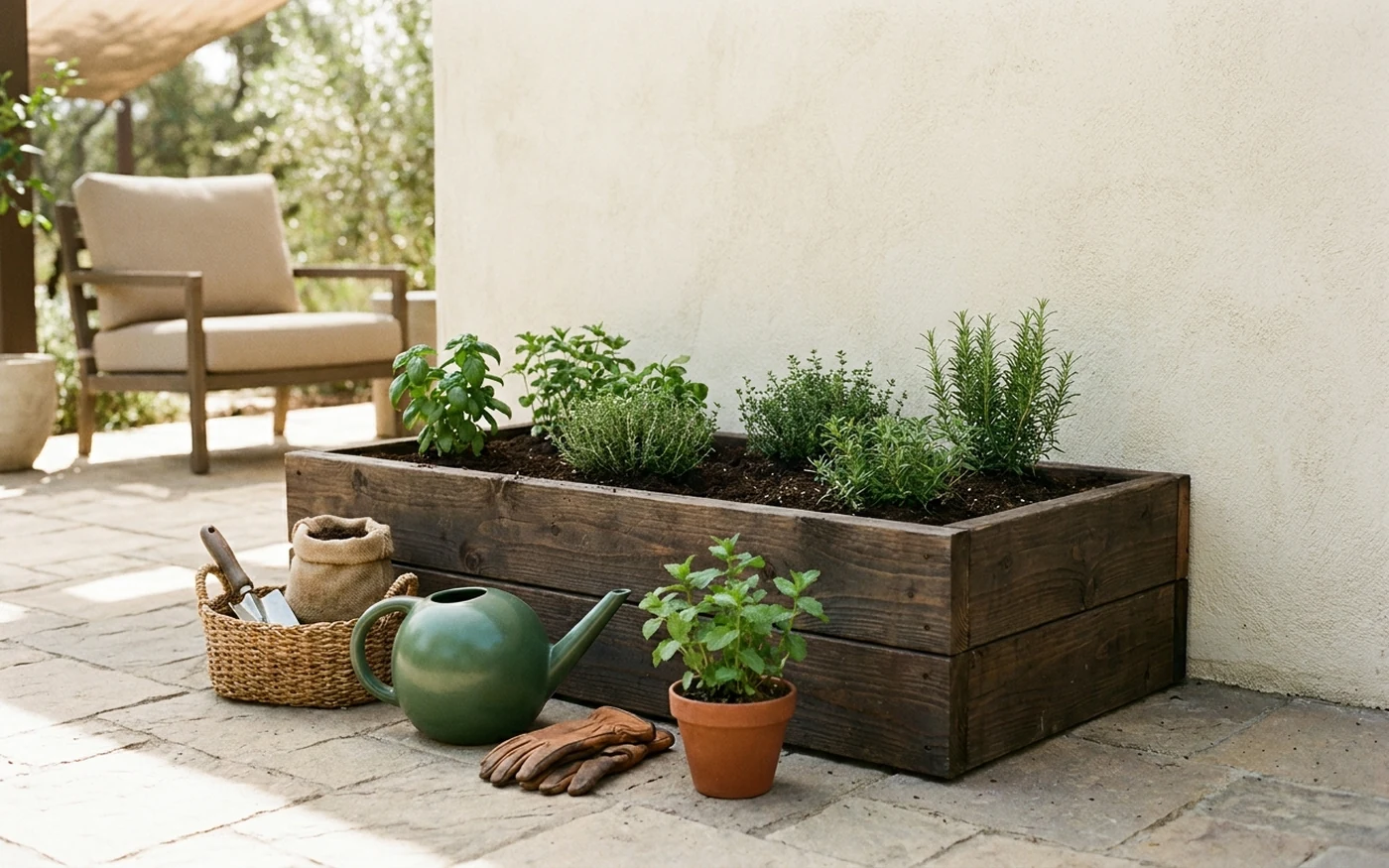
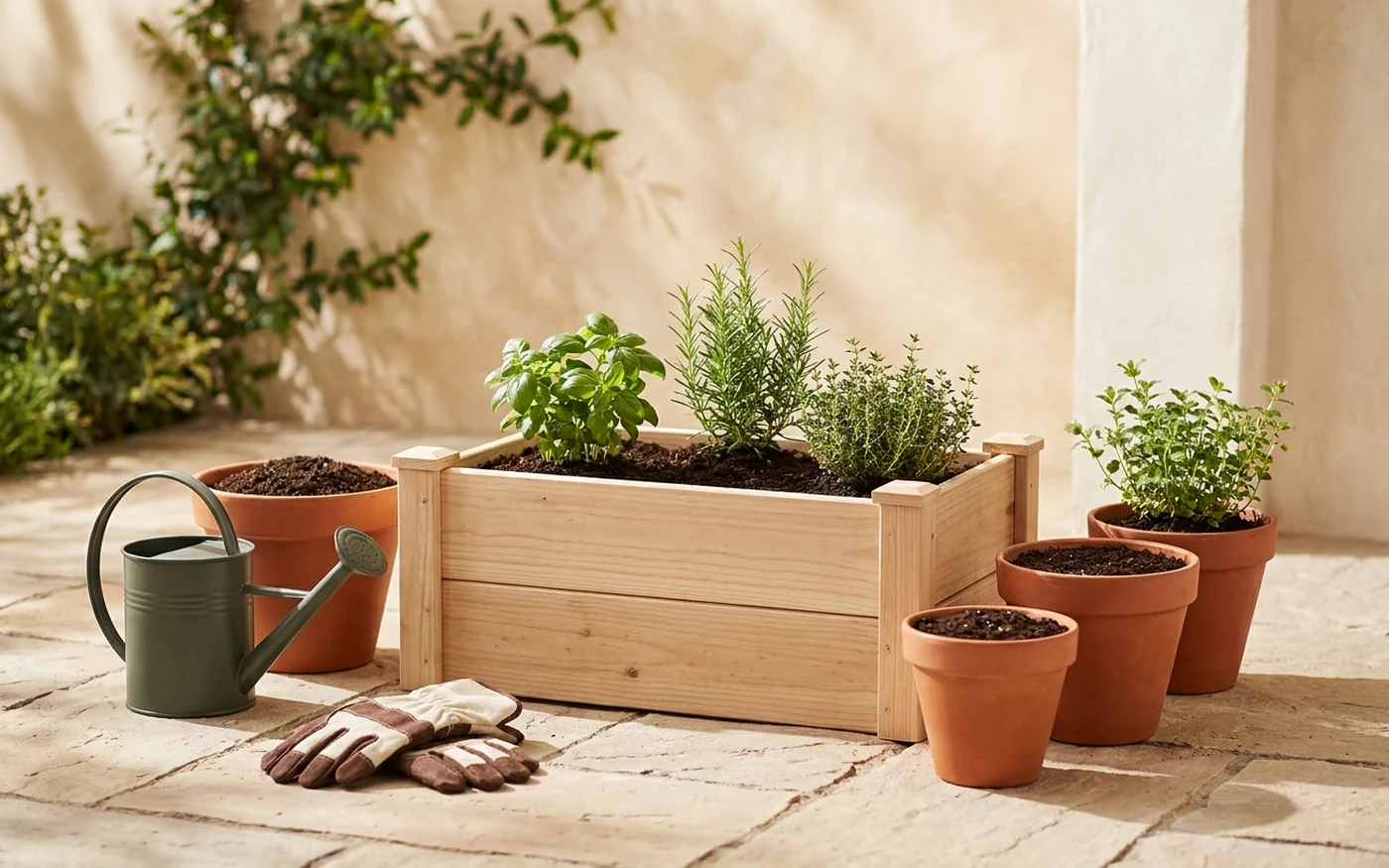
Your first food garden should be small enough to actually maintain.
Before buying a raised bed, seed kit or stack of planters, choose a sunny spot, decide how you will water it, and start with a setup that matches your space.
Start with one manageable growing zone instead of garden envy.
The common mistake
Most beginners buy the garden before choosing the growing spot.
A raised bed or seed kit can look like the first step, but the first decision is the site. Vegetables need enough sunlight, regular water, usable growing media and care. If the spot is too shady, too far from water or too large to maintain, the setup can fail before the seeds have a chance.
A better first step is to choose one manageable growing zone and match the supplies to that space.
Gear before siteSite first, gear second
Choose the spot first. Then buy the container, soil and tools that fit that spot.
False start
I bought seeds and beds before checking sun, water access and maintenance.
Better first step
I chose one sunny manageable spot, then matched the setup to it.
The simple order
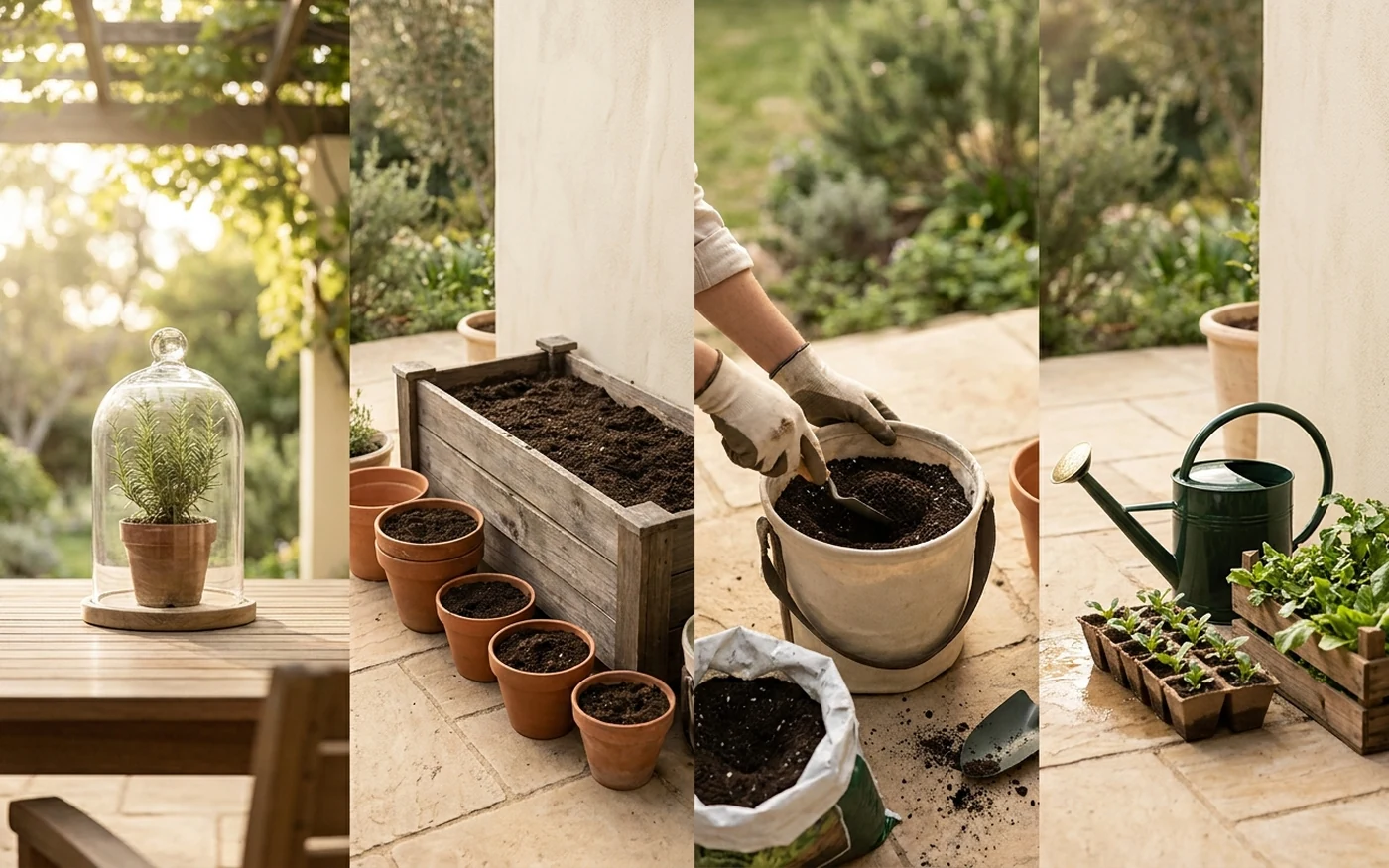
Use the four-part grow plan: sun, container, soil, water.
Start small enough to learn. Every good first grow setup needs light, a suitable container or bed, appropriate growing mix and reachable water.
SunChoose the spotContainerMatch the spaceSoilUse growing mediaWaterKeep it reachable
Layer 1
Sun — choose the right spot
Many common vegetables need 6–8 hours of sun. Leafy greens and herbs may be more forgiving, but light still matters.
Best for
site selection
small yards
patios and balconies
Look for
daily sun exposure
shade patterns
nearby obstructions
realistic crop choice
Layer 2
Container or bed — match your space
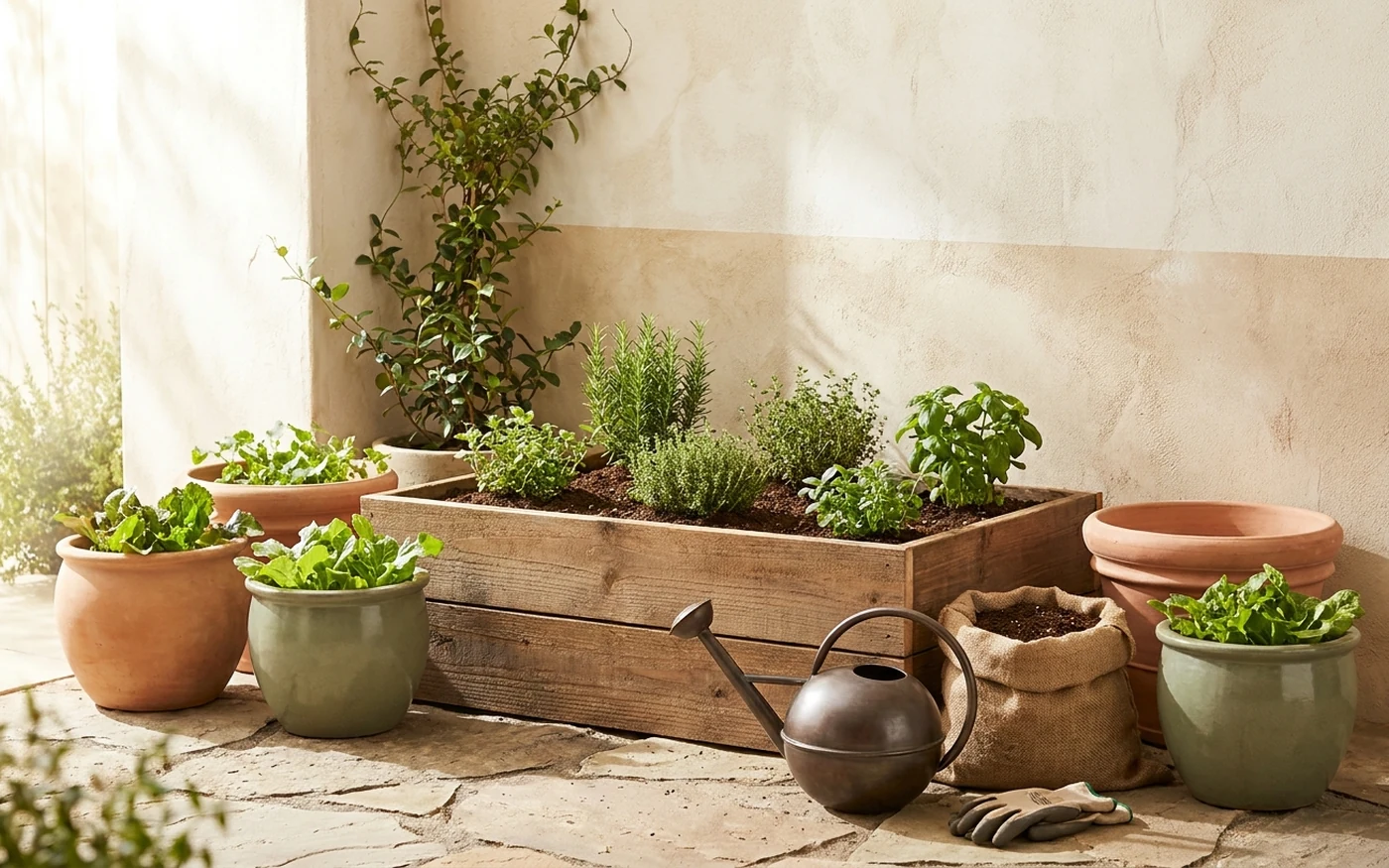
Containers work for patios and renters. Raised beds work when you have a stable sunny area.
Best for
renters and patios
small sunny yards
first-season learning
Look for
size
drainage
access around the bed
how much soil it needs
Layer 3
Soil/growing mix — do not use random dirt
Containers and raised beds need appropriate growing media, not just whatever soil is nearby.
Best for
raised beds
containers
better drainage and roots
Look for
potting or raised bed mix fit
volume needed
drainage
local extension guidance
Layer 4
Water and care — keep it reachable
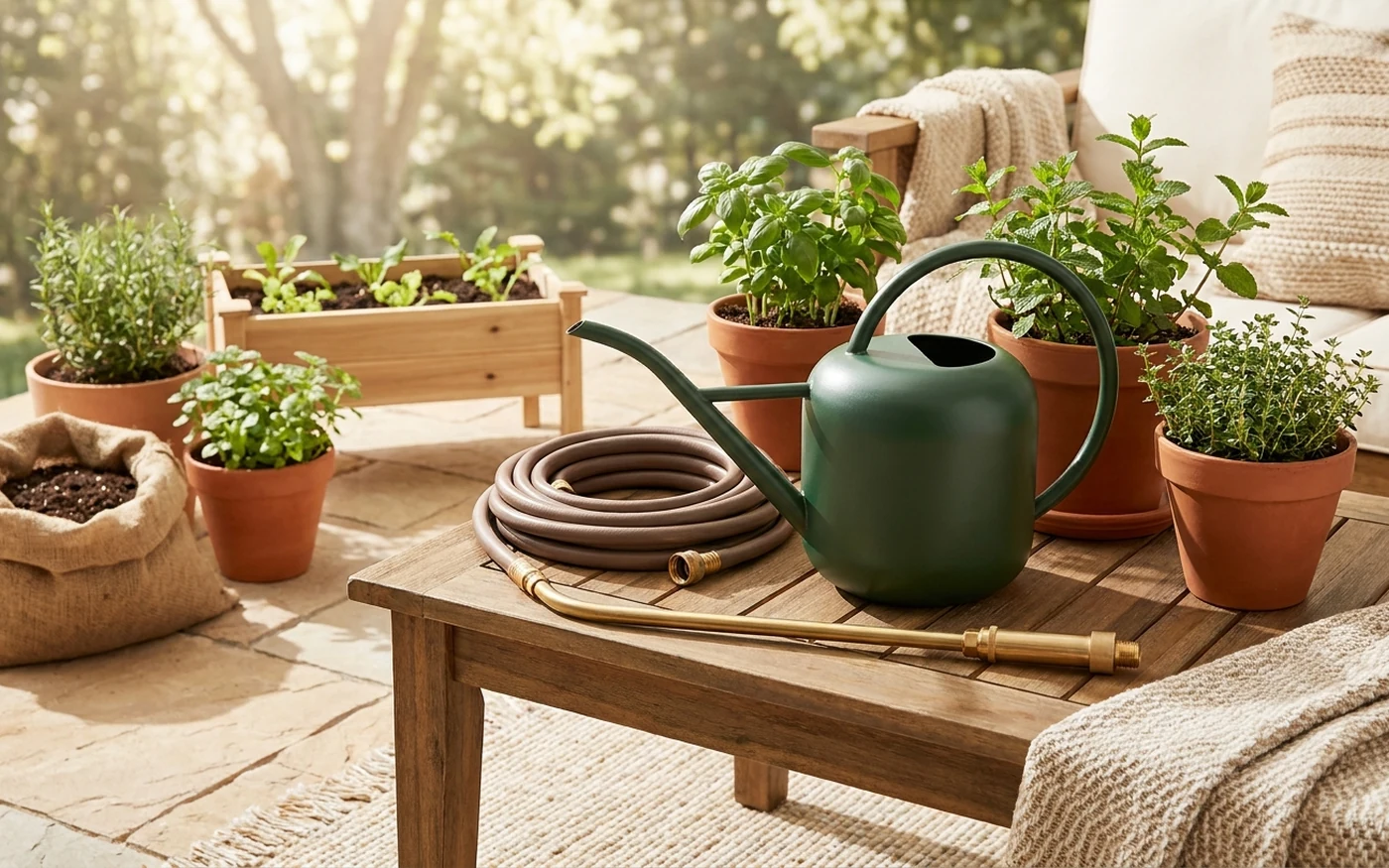
A garden that is easy to water is easier to maintain. Start small enough to check daily.
Best for
daily care habits
hot weeks
beginner consistency
Look for
watering access
hose or watering can fit
small enough routine
easy inspection
First useful harvest
Start with one useful harvest, not a whole homestead.
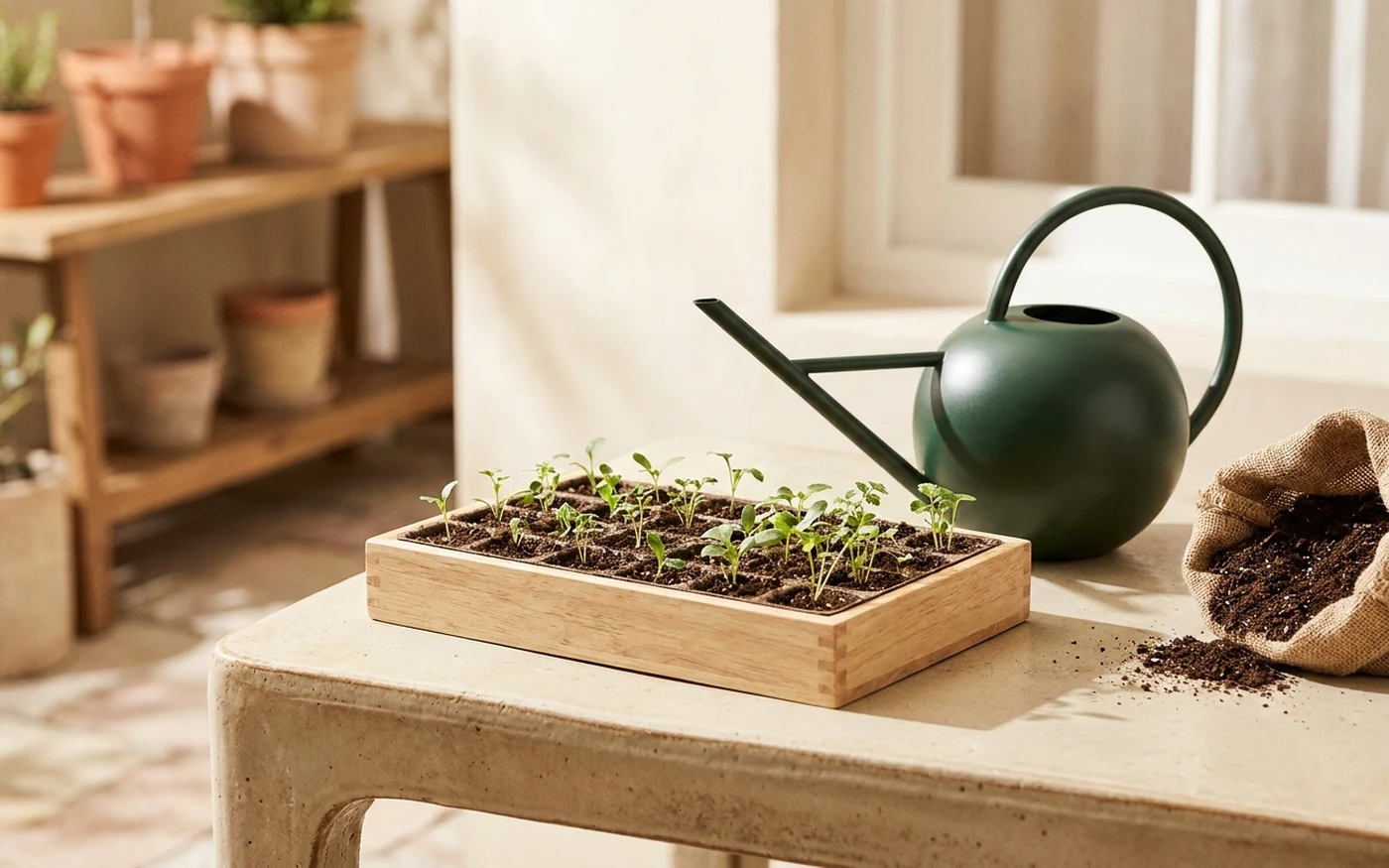
The goal of a beginner grow setup is momentum. A few herbs, salad greens or compact vegetables can teach watering, sunlight and soil faster than a huge bed full of mixed crops.
Choose plants based on your actual space. A sunny patio might handle containers. A small yard might handle one raised bed. A shady balcony may be better for herbs or greens than tomatoes.
Before you buy
Compare the job, not just the product.
Compare garden products by the job they solve in your real site, not by how inspiring they look online.
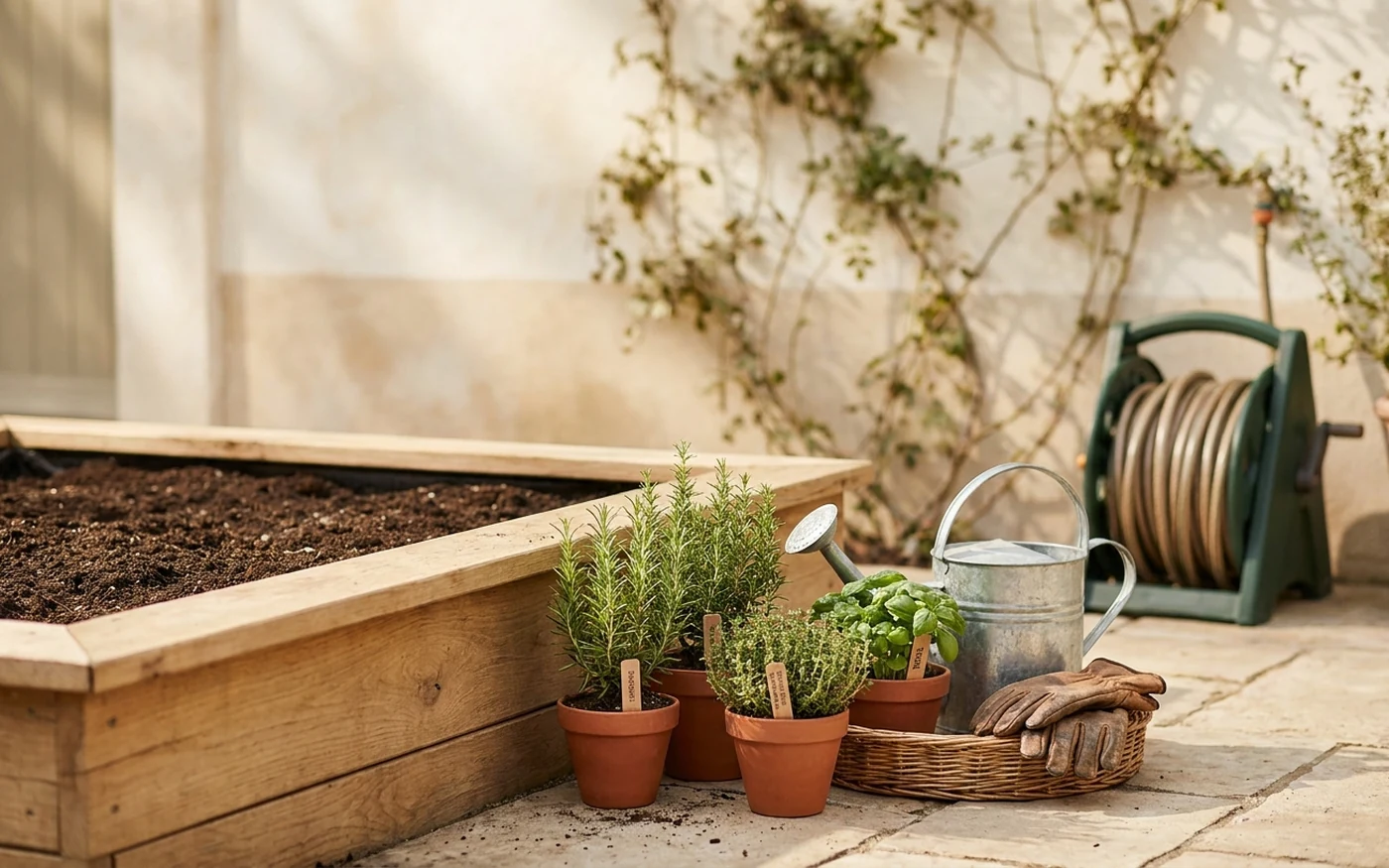
Raised bed kit
Best when:
sunny yards with enough space and a stable location.
Check before buying:
size
material
depth
assembly
drainage
access around the bed
Avoid if: beds too large to fill, water or maintain.
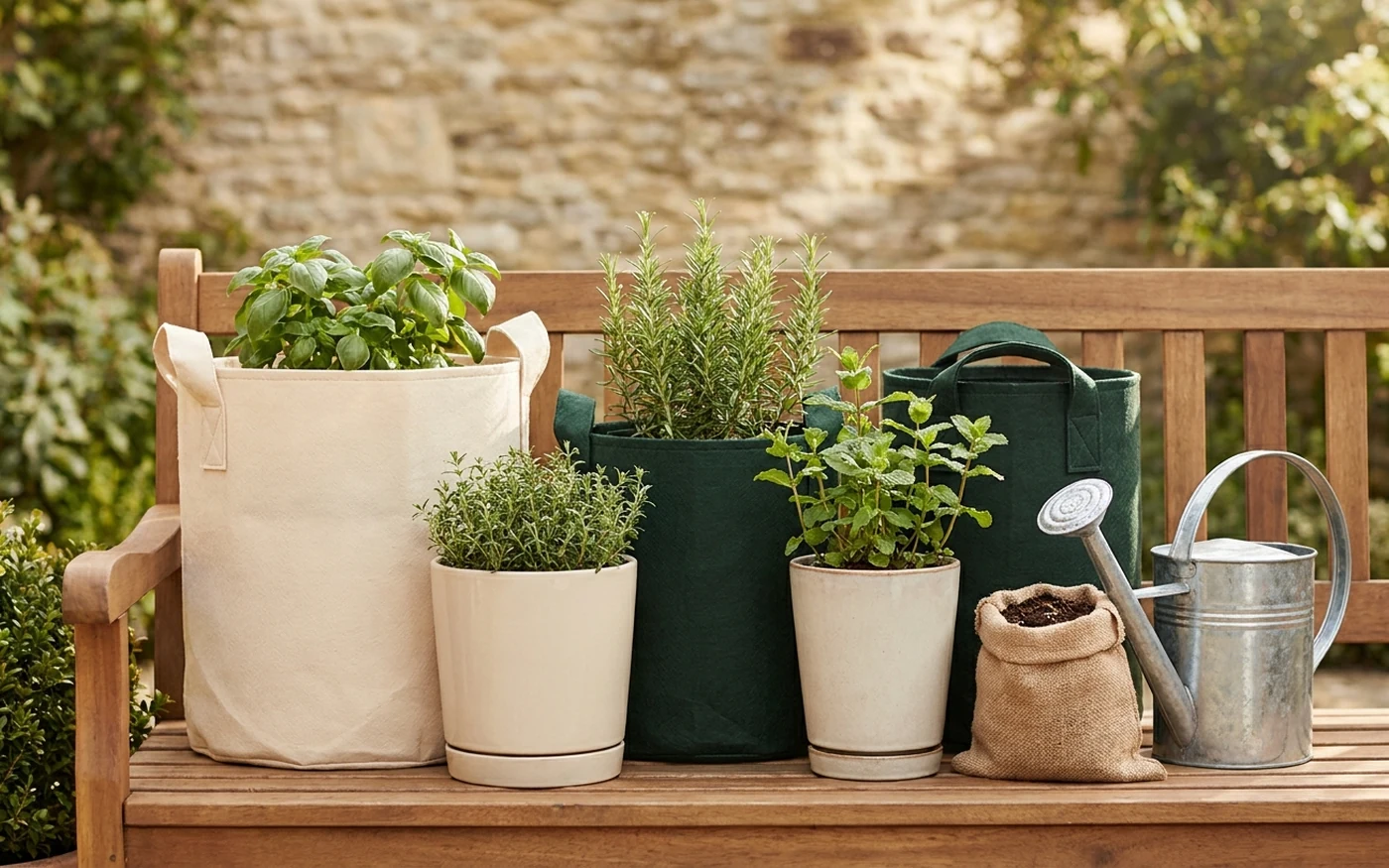
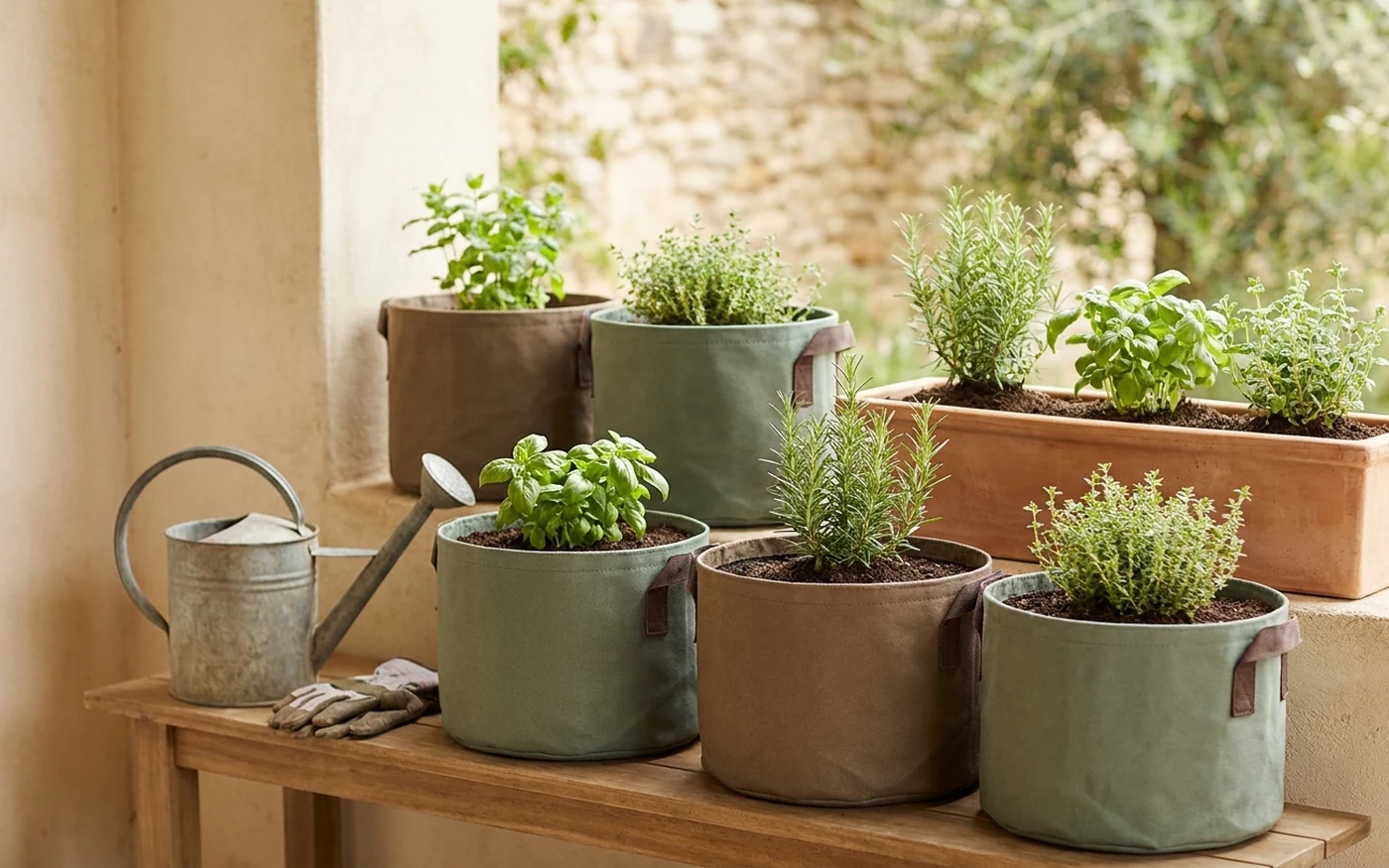
Grow bags or planters
Best when:
patios, renters and small-space starts.
Check before buying:
size
drainage
handles
fabric/plastic quality
matching saucers if needed
Avoid if: tiny containers for plants that need root space.
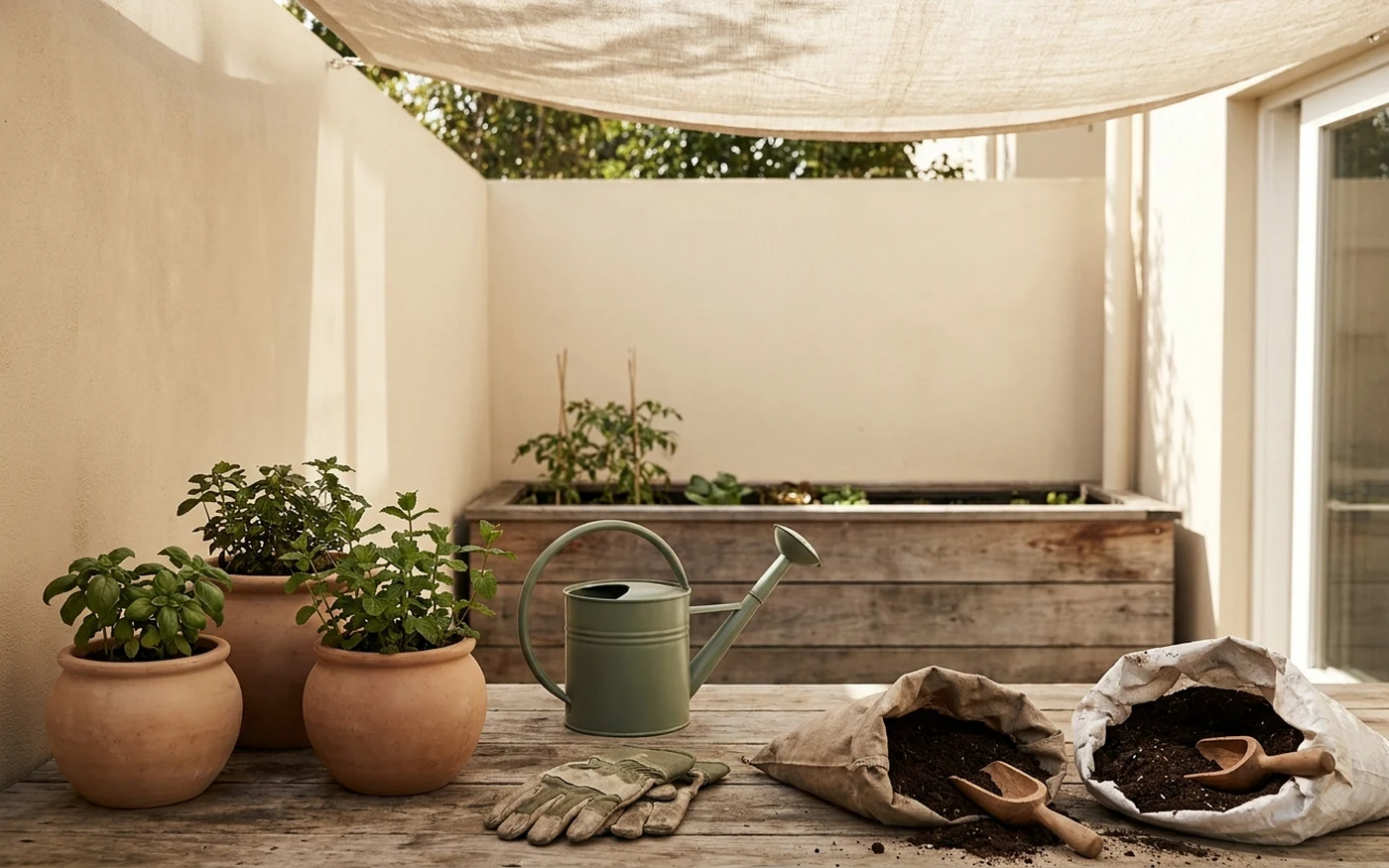
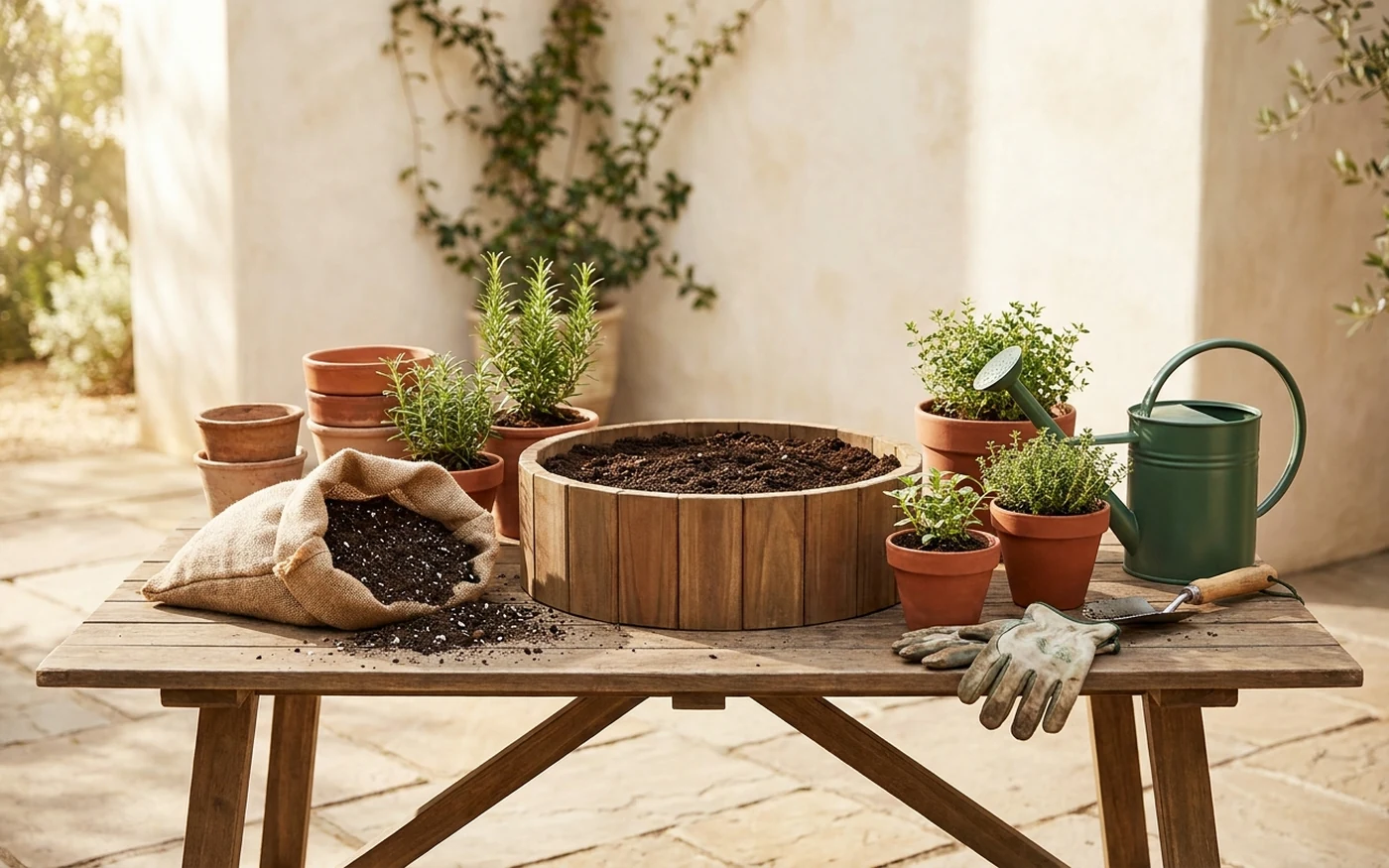
Beginner soil and tools
Best when:
making the setup actually usable.
Check before buying:
raised bed mix/potting mix fit
gloves
trowel
watering can/hose access
plant labels
Avoid if: buying seeds without soil, water and basic tools.
Start here
Choose based on your space, not garden envy.
The right first setup is the one your space can support and you can actually maintain.
If you have a balcony or patio
Start with containers, grow bags or herbs. Keep water access simple.
These Amazon picks match the beginner sequence: choose a realistic container or bed, add appropriate growing media, keep watering easy and start with a small learning harvest.
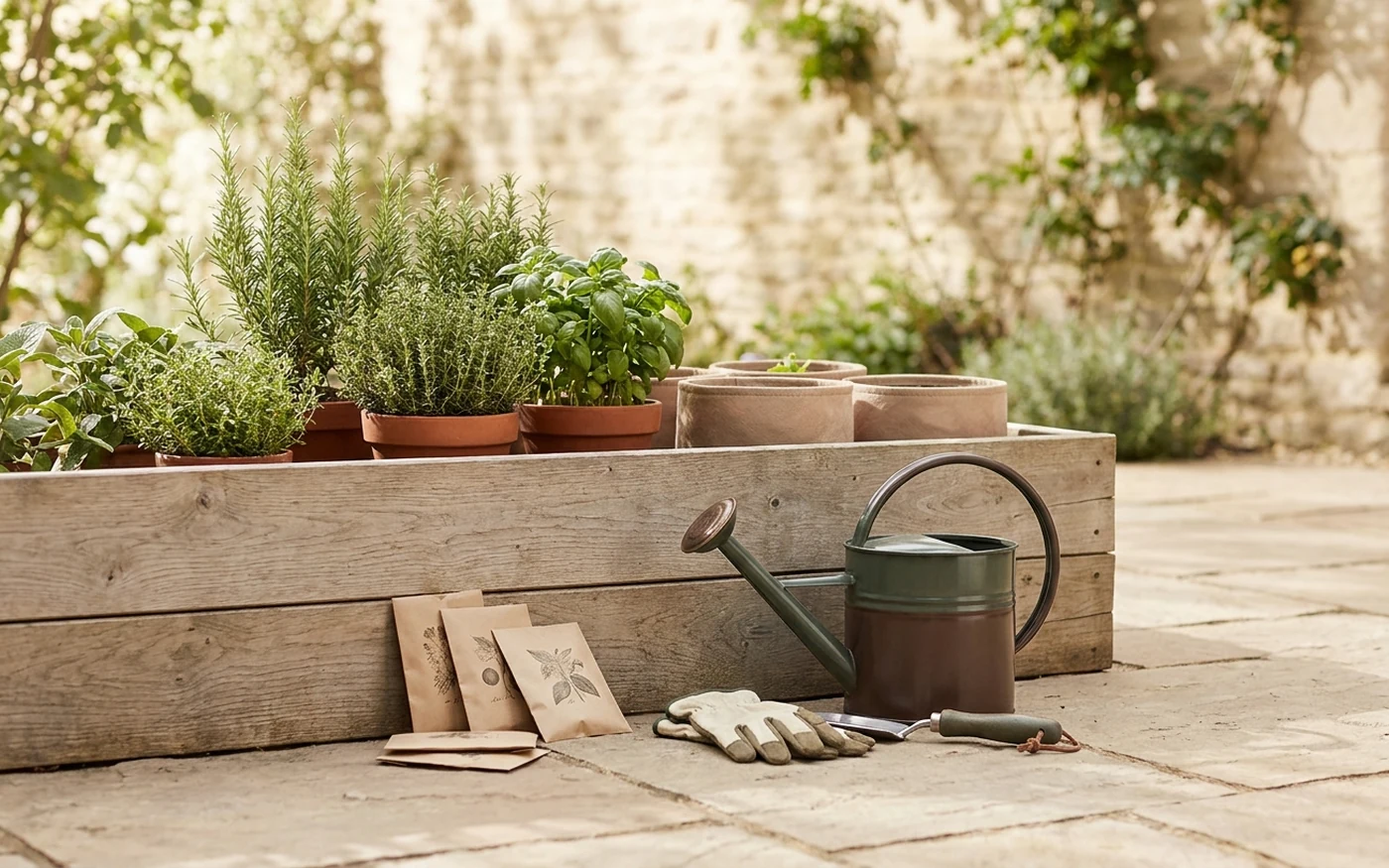
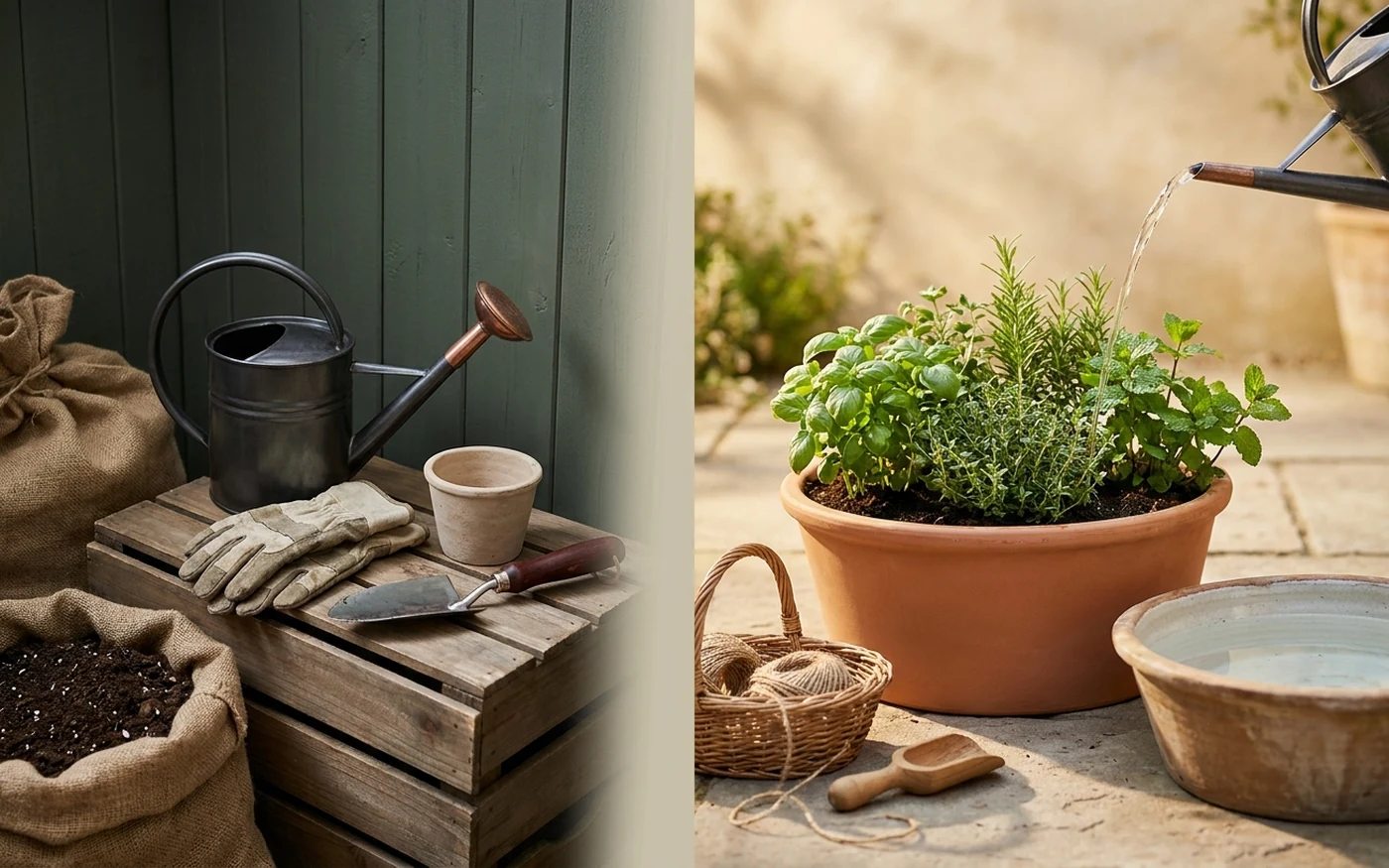
Affiliate disclosure: As an Amazon Associate, Self Reliance Daily earns from qualifying purchases. Product links below may be affiliate links. Availability, prices and listing details can change, so always check the current Amazon page before buying. The visuals are category illustrations, not exact Amazon product photos.
First raised bed
Best Choice Products 48-inch raised garden bed
Best for: a small sunny yard where one defined bed is realistic to fill, water and maintain.
Garden note: product choice cannot guarantee a harvest. Follow local extension guidance for timing, crops, sun, watering and soil needs in your area.
Safety note
A small garden is a skill-builder, not a guarantee.
Growing food depends on light, water, soil, season, climate and care. Start small, follow local extension guidance for your area, and avoid buying more garden than you can maintain.
Sources used for this guide
NC State Extension, UMN Extension, USDA National Agricultural Library and UNH Extension beginner gardening guidance shaped this guide.
NC State Extension
UMN Extension
USDA National Agricultural Library
UNH Extension beginner gardening guidance
Next: build the rest of your starter kit slowly.
Backyard growing pairs well with the rest of the starter kit: water, food storage, power and first aid.